Digital Data and Credentials

Improving Administrative Efficiency

 

CaPSCi provided AEC a secure technology infrastructure for construction to property information exchange critical to the capture, exchange and utilization of property data across real estate industry sectors.
Digital Data and Credentials
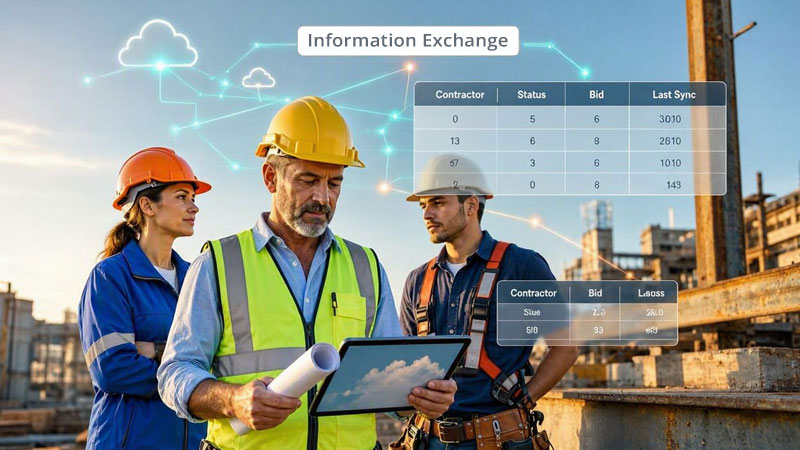
Digital data and credentials provide property service sectors a consistent solution for the digital exchange of information between physical property, project stakeholders, technology and platforms.
Digital Data and Credentials
Digital data and credentials provide property service sectors a consistent solution for the digital exchange of information between physical property, project stakeholders, technology and platforms.

Digitally connecting real estate services sectors is critical infrastructure necessary for data exchange in the digitization of build and property operations. Information sharing between project stakeholders transforms administrative tasks into autonomous processes. 

Connecting Industry

Sample BIM Data Objects
As the name implies, the Construction Project Supply Chain Infrastructure was envisioned from a different perspective. In developing the CaPSCi framework, architects focused on the physical assets digital information as the data object universally applicable to all property services and service providers.
Sample BIM Data Objects
Architects identified an important relationship between industry supply chains, the physical property’s data and project stakeholders who inject additional detail to finalize and digitally document deliverables. Accessibility allow property owners to capture digital deliverables and leverage that information in property operations improving administrative efficiency for AEC and management while reducing operating cost and improving ROI for owners.

Digitization Started in AEC

Building information models (BIM) beyond 3D modeling contain the data or digital deliverables independent contractors will provide property owners upon project completion.

Today’s BIM data objects overcome technology barriers contractors face in the future when performing services, maintaining or upgrading buildings and systems.

Building information models (BIM) beyond 3D modeling contain the data or digital deliverables independent contractors will provide property owners upon project completion.
BIM Building Information Model
Today’s BIM data objects overcome technology barriers contractors face in the future when performing services, maintaining or upgrading buildings and systems.

Data Utility
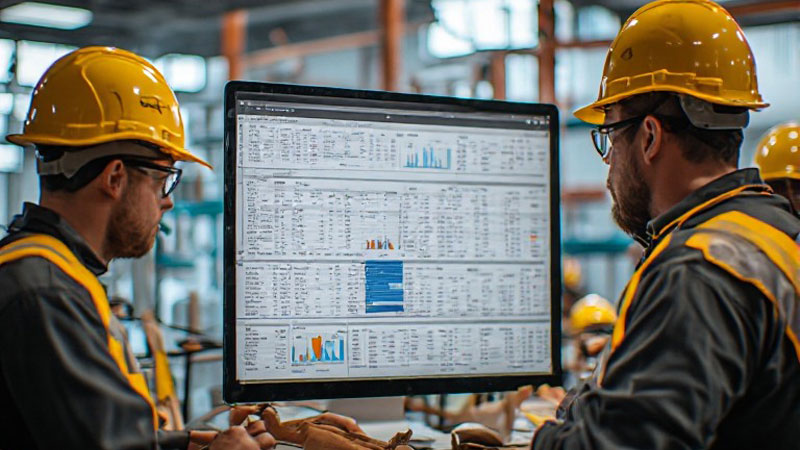
Contractors will soon be required to produce digital deliverables exchanged directly with the property’s central data environment (CDE) in the cloud. Physical property captures data deliverables from tenants, contractors, service providers and systems event logs in efforts to digitize the physical asset, improve efficiency and analytics.
Contractor Data Utility
Deep property details stored following COBie BIM data standards provides an agnostic solution to property and construction related technologies. Data is the physical property’s primary technology and contribution to the digitization of operations. These digital assets offers economic value and ROI advantages to property owners.

Independent open source data environments allow service provider technologies to emerge independent of the property assets. Service sector solutions will address specific workflows to improve efficiency in property operations.

Contractors will soon be required to produce digital deliverables exchanged directly with the property’s central data environment (CDE). Physical property captures data from tenants, contractors, service providers and systems event logs to digitize the physical asset, improve efficiency and analytics.

Independent open source data environments allow service provider technologies to emerge independent of property assets. Service sector solutions will address specific workflows to improve efficiency in property operations.

Workflow Technology

Understandably, intricacies of technology can be outside the expertise of owners and contractors. The advantage of data-driven technology is underlined by its seamless, transparent and portability between owners, projects, stakeholders, priorities that can change daily and access to information that will be critical to another project in ten to twenty years.

Workflow Technology

Property Owners

Deep property detail following COBie data standards provides the most cost effective and portable data solution for property and construction technology applications.

Digital data and asset credentials are the physical property’s primary technology and contribution to the digitization of operations. Digital assets offer economic value and ROI advantages for property owners.

  • Transform Private Data into
    Enterprise Grade AI Data Libraries
  • Secure Deep Data in the Cloud
  • Automate Data Access Mgmt
  • Autonomous Data Exchange
  • Capture Digital Deliverables
  • Capture Deliverables from TI’s

Contractors

Cloud based digital data and credentials are also foundational technologies for contractors. Application technology for the trades will primarily focus on improving efficiency and reducing human error.

For contractors, the most valuable data integration solutions will be AI agents that handle deceptively complex scheduling between project stakeholders and routine administrative tasks.

Construction errors will be eliminated through trade specialized integration tools that ingest property data to identify industry specifications, source materials, autonomously perform project estimations and manage supply chain deliverables.

  • Integrate Workflow Process
  • Improve Administrative Efficiency
  • Project Stakeholder Communications
  • Integrate Supply Chain Data
  • Implement Performance Tracking
  • Digitizes COI Requests & Deliverables
Digitalization of construction projects offer performance efficiency thru data exchange